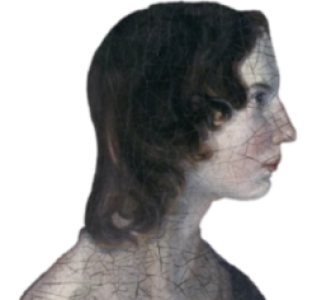
When and where was Emily Brontë born?
Emily was born on Thursday 30th July 1818 at 72-74 Market Street, Thornton in Bradford, England.
When and where was she christened?
On the 20th August 1818 at the Old Bell Chapel, Thornton by Patrick’s good friend and Minister of Christ Church, Bradford, Reverend William Morgan.

How old was Emily when her mother passed away?
Emily was just 3 years old when her mother, Maria, died on 15th September 1821 at the parsonage in Haworth.
Where was she educated?
She attended the Clergy Daughters’ School at Cowan Bridge for 6 months before spending 3 months at Roe Head School, Mirfield. Later she would travel to Brussels with Charlotte to study at the Pensionnat Heger for 9 months.
How tall was Emily?
With the exception of her father, Emily was the tallest in her household at about 5 foot 6 inches.
What did she look like?
In addition to being the tallest and strongest of her sisters, Emily was said to have acquired a “lithesome, graceful figure” by the age of 15, according to close friend Ellen Nussey, with her hair much the same as her sister Charlotte’s with tight curls and frizz. Ellen also said that “she had very beautiful eyes, kind…liquid eyes”. Family servant Martha Brown said of her “we always thought her to be the best-looking, the cleverest, and the bravest-spirited of the three”.
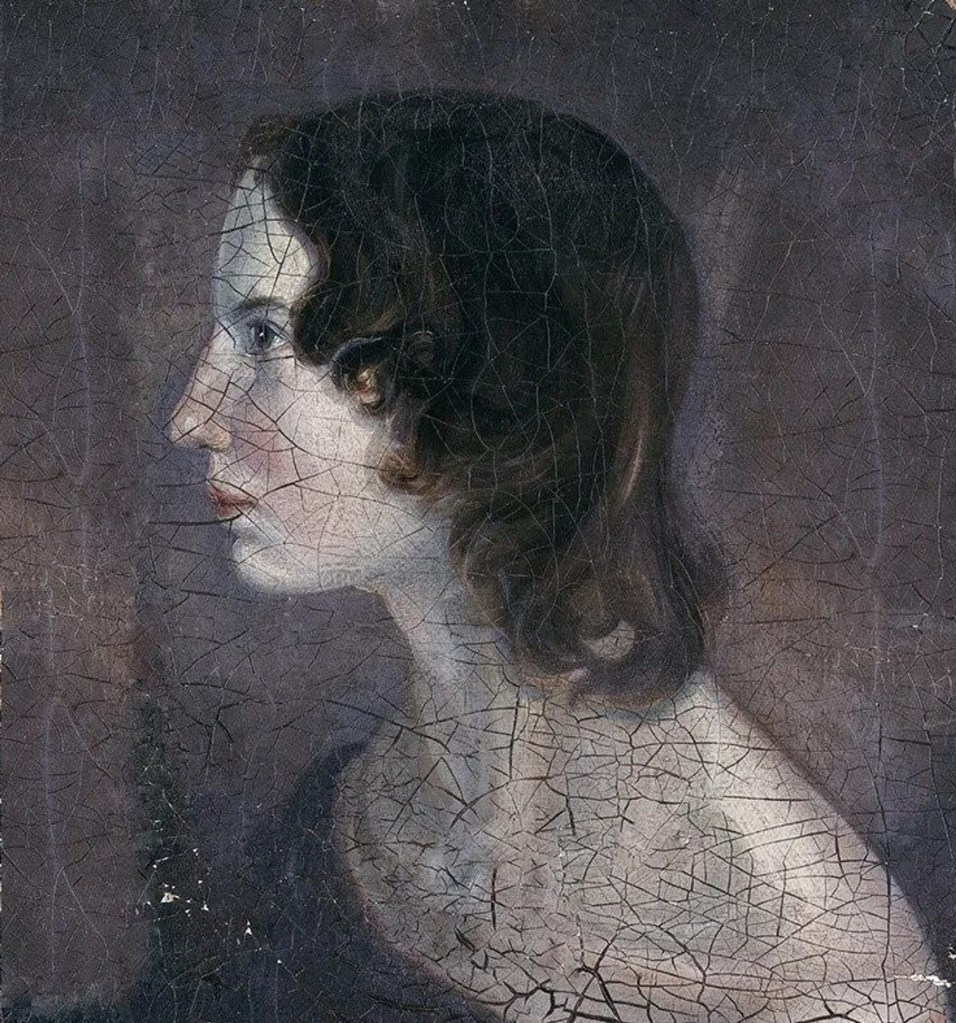
Is it true that Emily was proficient with a gun?
Yes this is true. Patrick owned an Aston flintlock pistol and taught Emily how to use it. She would frequently practice firing it at a target in the parsonage garden between carrying out her domestic duties. Patrick once exclaimed of her, “She is a brave and noble girl. She is my right hand, nay, the very apple of my eye!”
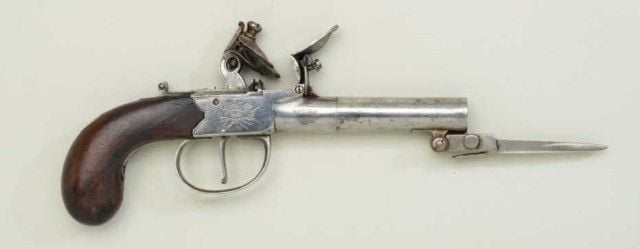
What was Emily like as a person?
It is well known that Emily was a deeply complex woman who had few friends outside her family and the loyal parsonage servants. This avoidance of additional friendships was by her own choosing. She was a naturally shy, awkward and introverted person who often preferred the company of animals over people. She also preferred the solitude and freedom of the moors than having to endure social situations in which she felt so ill-suited. By contrast, at times she could be extremely forceful and regimented, carrying out her chores in an almost militaristic style, argumentative and incredibly stubborn (never more so than in the last few weeks of her life when she refused all help and insisted on continuing her usual daily routine). It has also been said that she blended her life equally between reality and the fantasy worlds she created for herself. As Charlotte said of Emily, “her nature stood alone”.
When and how old was Emily when she wrote ‘Wuthering Heights’?
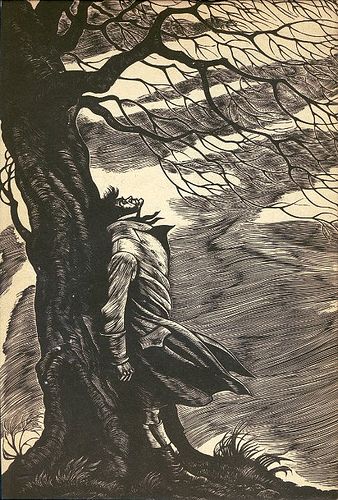
It is believed that Emily began writing her only novel in the autumn of 1845, making her 27 years old. The book was published in December 1847.
What buildings inspired ‘Wuthering Heights’?
There are several houses that are said to have been the inspiration for either the look or the location of the Earnshaw family home in Emily’s novel. The ruined farmhouse Top Withins on the moors near Haworth is often considered to be the most likely for the actual setting of the house. Ponden Hall in nearby Keighley, formerly owned by the Heaton family, is thought to be one of the locations that Emily may have drawn ideas for the look of the Heights from having been a regular visitor there.
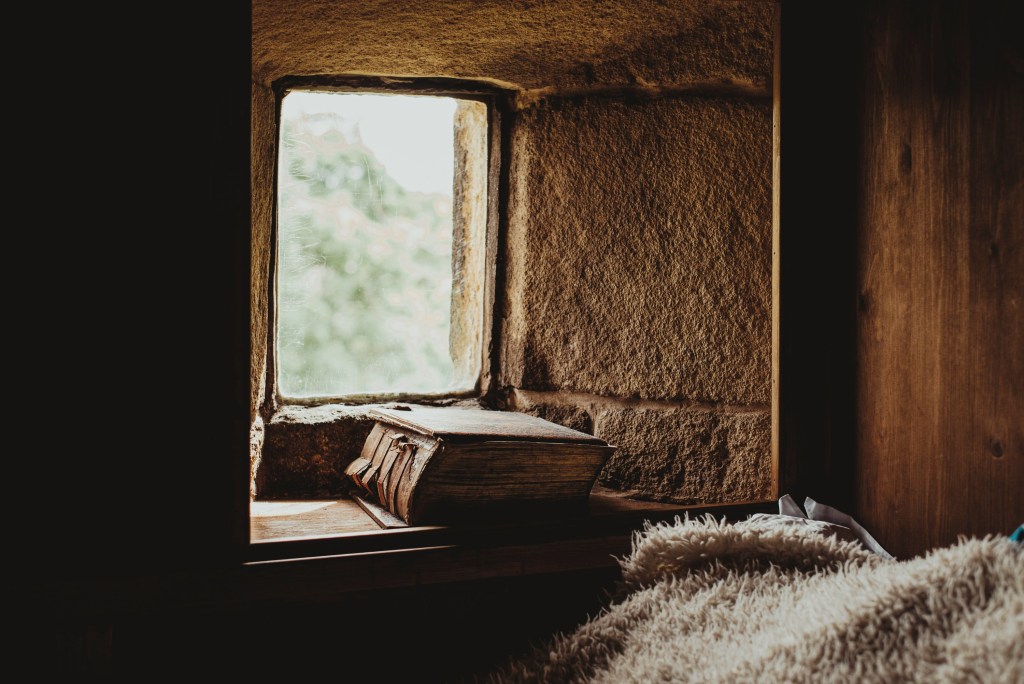
How did Emily Brontë die?
Emily died at about 2pm on the afternoon of Tuesday 19th December 1848. Having struggled with the terminal symptoms of tuberculosis since September and having pointedly refused all offers of medical help up to that point, with her last audible words she whispered, “if you will send for a doctor, I will see him now”. It is said she died on the sofa in the parsonage dining room although there is also speculation that she died in her bedroom. We cover the potential way Emily contracted tuberculosis in the Chronology section.

Where is Emily buried?
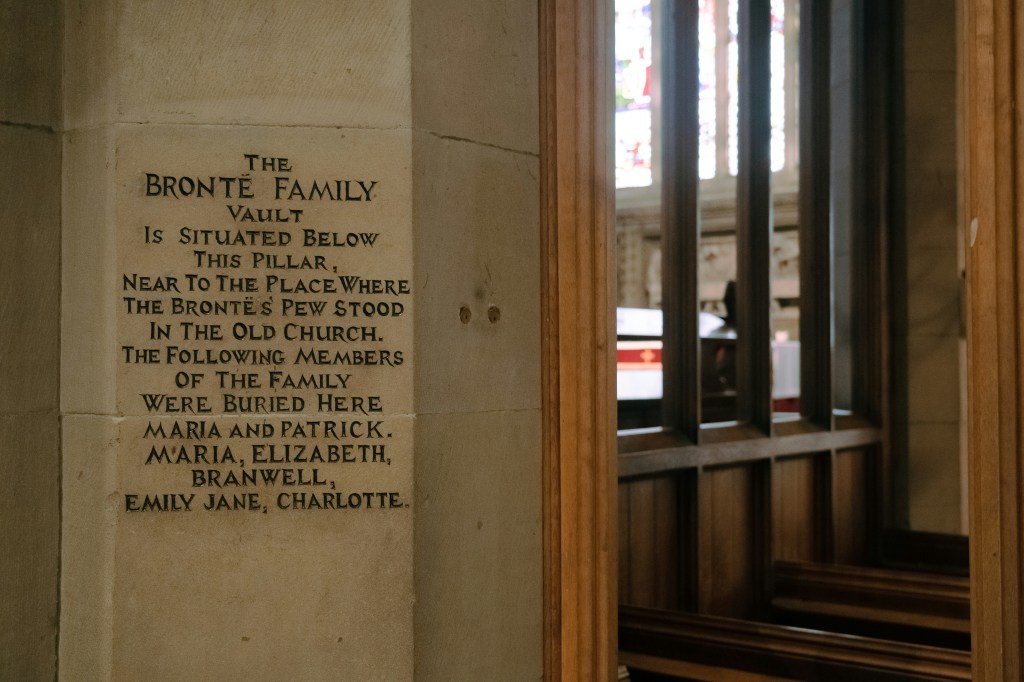
Following her funeral on 22nd December 1848, Emily was buried in the family vault at St Michael and All Angels’ Church, Haworth, alongside her mother, sisters, brother and aunt. Her coffin was said to have only measured 16 inches wide and the service was conducted by Patrick’s assistant curate Arthur Bell Nicholls (later Charlotte’s husband).
Was Emily working on a second novel when she died?
This is a highly speculative and emotive question that ultimately we’ll likely never know the answer to. A letter from Emily’s publisher, Thomas Cautley Newby, sent to Ellis (Emily) in February 1848 agreeing that she should not rush her next work, points to the possibility of a new novel in the works. However no draft manuscript has ever been found which has cast speculation on whether Charlotte, following Emily’s death, potentially burned what was written, along with various other papers of Emily’s which were also lost.
Was Emily ever in love or in a relationship?
Despite the incredibly passionate and authentic descriptions of love featured throughout the text of ‘Wuthering Heights’, there is no evidence to suggest that Emily was ever in love and she certainly was never in a romantic relationship.
Are there any photos in existence of Emily and her siblings?
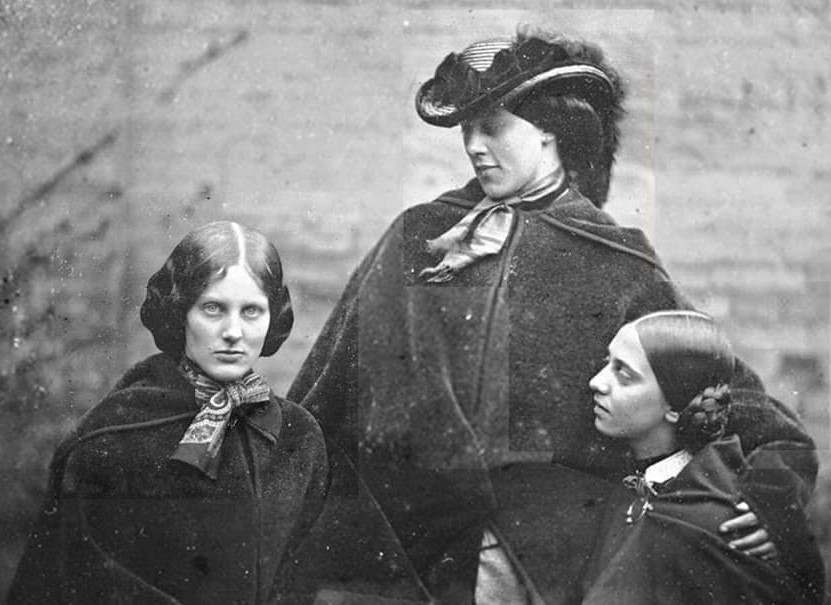
To date there are no known confirmed photographs of either Emily or her siblings. Some photos have surfaced over the years that have purported to be of Emily, Charlotte & Anne (such as the one below discovered in 2012) but none have been identified as actual authentic images of the sisters.
 emilybrontë.com