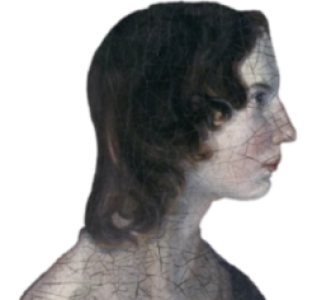
Elizabeth Brontë, the second eldest child of the Brontë family, was born in 1815 in Hartshead, Yorkshire, England, to Patrick and Maria Brontë. Named after her maternal aunt, Elizabeth Branwell, who would later play a significant role in the Brontë children’s lives, Elizabeth was a quiet and reserved child. Like her siblings, she endured early tragedy when her mother died in 1821, leaving the six Brontë children in the care of their father and, eventually, their aunt Elizabeth, who moved from Cornwall to assist the family in Haworth.
In 1824, Elizabeth joined her older sister Maria at the Clergy Daughters’ School at Cowan Bridge, a boarding school intended to educate the daughters of clergymen but notorious for its harsh conditions. The school’s poor hygiene, inadequate food, and strict discipline created a difficult environment, and Elizabeth, like Maria, struggled to cope with the toll it took on her health. Though she was naturally quiet and diligent, the brutal conditions led to severe illness. In early 1825, her father withdrew both her and Maria from the school upon learning of their declining health. However, the damage had already been done, and shortly after Maria’s death in May of that year, Elizabeth also succumbed to what was likely tuberculosis in June 1825, at the age of 10.
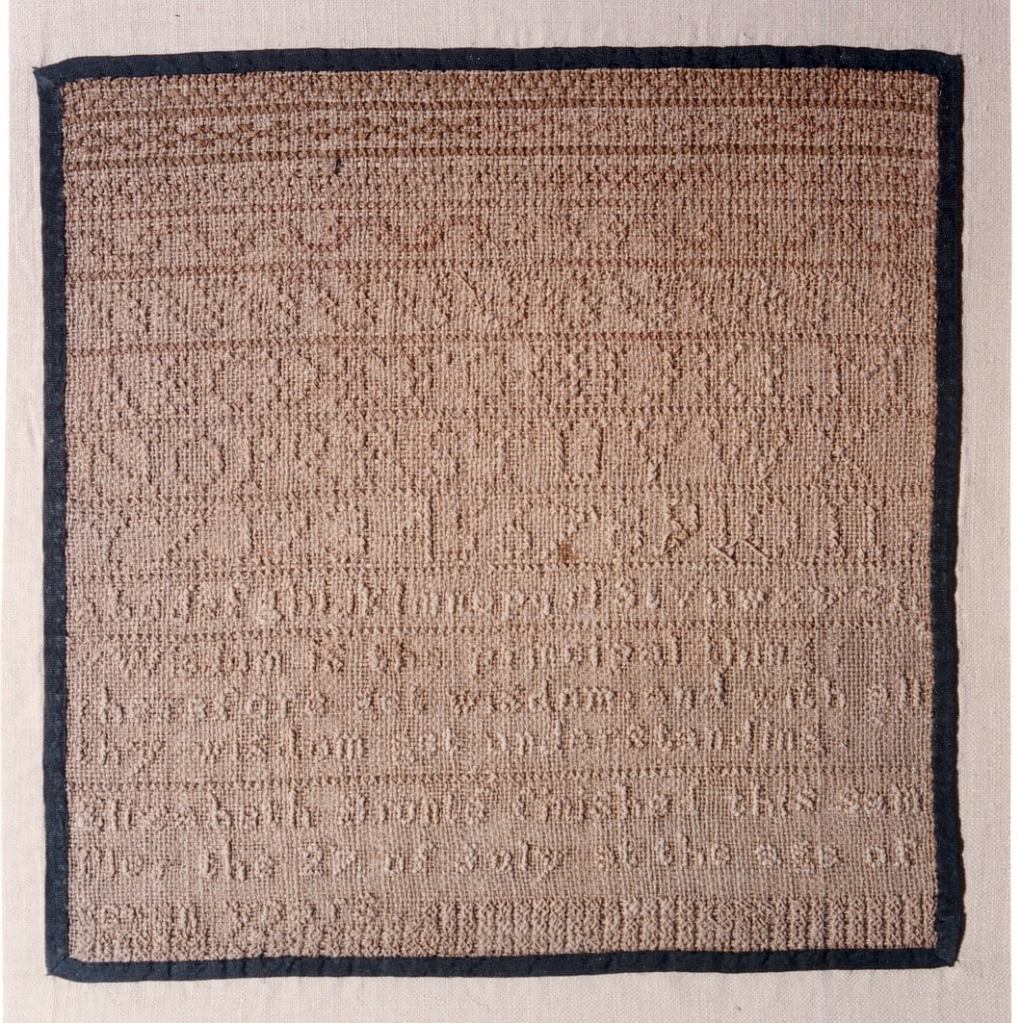
© The Bronte Society
Elizabeth’s short life was marked by hardship, but her legacy endured through her siblings, who were deeply affected by the early loss of their eldest sisters. Charlotte Brontë later drew on their experiences at Cowan Bridge to portray the character of Lowood School in Jane Eyre, honoring Elizabeth’s memory and illustrating the harsh reality that marked her life. Though she died young, Elizabeth’s memory lived on within her family and through their celebrated works.
 emilybrontë.com